


57 plans · ten risk factors you can change in each
What you can change, part by part.
Tap the hologram to see the conditions we help with in each part of the body. Every plan lists ten modifiable risk factors and why each one matters.
I want to
Drag to turn the hologram
Tap any part to explore
Projecting the hologram
Every plan
Fifty-seven plans, ten factors each.
Each plan lists ten risk factors you can change, with why each one matters and the research behind it. Lifestyle and prevention plans are free to start in My Lifestyle Hub; a plan for a long-term condition comes through your clinician.
Prevention · 9
 How do you lower your risk of cancer?Cancer Prevention
- Smoke-free DOI
- Healthy body weight (BMI 18.5–24.9 if applicable) The Lancet
- Drinks little or no alcohol PubMed
- Physically active (≥150 min moderate or ≥75 min vigorous activity/week) PubMed
- Low intake of ultra-processed foods PubMed
- Uses sunscreen or sun protection appropriately PubMed
- Manages stress effectively PubMed
- Participates in regular cancer screenings (e.g., mammograms, bowel screening, cervical screening) British Journal of Sports Medicine, 2005
- Minimises exposure to carcinogens (e.g., asbestos, radon, industrial chemicals) PubMed
- Vaccination and safe sex to lower infection-related cancer risk (e.g., HPV, hepatitis B) The Lancet, 2018
 How do you lower your risk of dementia?Dementia Prevention
- Smoking DOI
- Healthy body weight (BMI 18.5–24.9 if applicable) BMJ Nutrition
- Drinks little or no alcohol DOI
- Healthy blood pressure (e.g. less than 140/90 mmHg) NEJM
- Good blood sugar control (HbA1c within target if diabetic) Wiley
- Strong social support / regular social contact SAGE Journals
- Physically active (≥150 min moderate or ≥75 min vigorous activity/week) Nature
- Emotionally well (low symptoms of depression / anxiety) British Journal of Sports Medicine, 2023
- Mentally stimulating & meaningful activities PubMed Central
- Protects hearing & vision (regular checks, uses aids if needed) The Lancet, 2024
 How do you stay steady and avoid falls?Fall Prevention
- Regular strength/resistance training (≥2×/week) PLOS
- Practices balance exercises (e.g. Tai Chi, single-leg stands, heel-to-toe walking) PLOS
- Regular eye examinations The Lancet, 2024
- Strong social support or regular social contact SAGE Journals
- Drinks little or no alcohol DOI
- Optimises home environment (removes trip hazards, uses grab rails, good lighting) Oxford Academic
- Reviews medications regularly (avoids sedatives and multiple drug interactions) DOI
- Supports bone health (vitamin D, calcium, and weight-bearing activity) JAMA Network
- Wears supportive, well-fitted footwear (avoids slippers and loose shoes) PubMed Central
- Hydrated throughout the day
 How do you stay independent for longer?Independent Living
- Strength, balance & regular exercise Oxford Academic
- Good nutrition & hydration
- Medication management
- Vision & hearing care The Lancet, 2024
- Chronic disease control
- Cognitive & social engagement SAGE Journals
- Safe home environment Oxford Academic
- Sleep quality Oxford Academic
- Smoking & alcohol DOI
- Stress & mental health PubMed
 How do you help someone stay independent?Independent Living (Carer)
- Strength, balance & regular exercise Oxford Academic
- Good nutrition & hydration
- Medication management
- Vision & hearing care The Lancet, 2024
- Chronic disease control
- Cognitive & social engagement SAGE Journals
- Safe home environment Oxford Academic
- Sleep quality Oxford Academic
- Smoking & alcohol DOI
- Stress & mental health PubMed
 How do you prepare your body for pregnancy?Preconception
- Taking folic acid and vitamin D at the recommended dose JAMA Network
- Supporting a healthy weight range ahead of pregnancy Springer
- Keeping alcohol and caffeine low Nature
- Staying smoke-free and vape-free PubMed
- Staying physically active DOI
- Protecting sperm health and quality Springer, 2025
- Following a nutrient-rich, Mediterranean-style diet Oxford Academic
- Protecting sleep and managing stress DOI
- Tracking cycles and understanding the fertile window
- Completing a pre-pregnancy health, medication and immunity check with your GP Oxford Academic
 How do you get fit for surgery?Prehabilitation
- Structured prehab exercise Cureus, 2022
- Smoke-free for at least 4 weeks before surgery Springer
- Safely stopping or cutting down alcohol DOI
- Enough protein to protect your muscles Oxford Academic
- Inspiratory muscle training DOI
- Anaemia checked and optimised with your team
- Blood sugar in a healthy range Wiley
- Dental and skin preparation PubMed
- Mobility and planning for recovery DOI
- Managing anxiety and prioritising sleep DOI
 How do you lower your risk of stroke?Stroke Prevention
- Keeping your blood pressure in a healthy range Frontiers
- Staying physically active Cochrane Library
- Keeping your cholesterol in a healthy range European Heart Journal
- Eating a stroke-protective diet PubMed, 2013
- Keeping a healthy weight and waist BMJ Nutrition
- Managing stress and low mood World Psychiatry
- Staying smoke-free World Psychiatry
- Looking after your heart rhythm and heart health Oxford Academic
- Keeping alcohol low PubMed
- Keeping your blood sugar healthy PubMed
 How do you set your health up for life?Young Adult Health
- Building peak bone mass while there's still time Oxford Academic
- Training strength as a foundation for later life DOI
- Building cardiorespiratory fitness for the long run Wolters Kluwer
- Keeping a regular sleep rhythm Wolters Kluwer
- Building real cooking skills and solid nutrition patterns Nature
- Keeping alcohol and other drug use low-risk DOI
- Staying smoke-free, vape-free and nicotine-pouch-free DOI
- Noticing mental health and knowing how to get support DOI
- Staying connected, not isolated SAGE Journals
- Protecting skin now to avoid the biggest regret later PubMed
Lifestyle · 10
 How do you keep your body moving well?Biomechanical Health
- Regular walking and aerobic movement The Lancet Rheumatology
- Strong muscles and supported joints DOI
- Regular movement and posture breaks PubMed Central
- Comfortable work and home ergonomics PubMed Central
- Healthy hand and arm use PubMed Central
- Safe lifting and carrying PubMed Central
- Balanced activity and pacing BMC Musculoskeletal Disorders, 2024
- Healthy weight for joint health BMJ Nutrition
- Good sleep and recovery Nature
- Smoke-free for healthier joints DOI
 How do you eat for a longer, healthier life?Diet
- Treat highly processed foods as occasional indulgences (not dietary staples) DOI
- Slow down during meals, chew thoroughly, and notice hunger/fullness cues PubMed Central
- Eats Omega-3 rich foods (oily fish or plant sources like flax/chia/walnuts) DOI
- Focuses on routine: regular meals, avoids skipping, sustainable balance across the week NEJM
- Minimises drinks with added sugars/calories (including juices, smoothies, fizzy drinks) DOI
- Aims for a wide range of plant foods to support a diverse gut microbiome Nature
- Chooses foods naturally high in fibre (wholegrains, legumes, fruit, veg) in minimally processed forms Nature
- Adds naturally fermented foods (e.g. kimchi, kefir, sauerkraut, live yoghurt, sourdough) Nature
- Includes protein-rich foods daily Oxford Academic
- Includes a variety of colourful fruits and vegetables (red, orange, green, purple, white) AHA Journals
 How do you get the most from exercise?Exercise
- Practices regular balance and stability training (e.g. single-leg stands, wobble board, Tai Chi) Oxford Academic
- Performs strength/resistance exercises ≥2× per week (e.g. bodyweight, bands, weights) DOI
- Engages in regular aerobic activity (e.g. walking, cycling, swimming ≥150 min/week) Wolters Kluwer
- Includes high-intensity intervals to boost VO₂ max (e.g. short sprints, hill climbs, HIIT) Wolters Kluwer
- Maintains a consistent routine (exercises on set days/times each week) British Journal of Sports Medicine
- Prioritises sleep and recovery (7–9 hours/night, rest days, good sleep hygiene) Wolters Kluwer
- Eats a balanced, protein-rich diet (supports energy, muscle growth, and repair) DOI
- Uses tools to set goals and track progress (e.g. journal, wearable, app: steps, sleep, HRV) Wolters Kluwer
- Stays well-hydrated (especially before, during, and after exercise) ResearchGate
- Schedules rest days to allow muscles to repair and prevent overtraining DOI
 How do you optimise your health?Health Optimisation
- Smoke-free DOI
- Healthy body weight (BMI 18.5–24.9 if applicable) DOI
- Little or no alcohol, and no recreational drugs DOI
- Low intake of ultra-processed foods DOI
- Strong social support or regular social contact SAGE Journals
- Keeps up with health screening tests (e.g. BP, cholesterol, cancer screening) PubMed
- Physically active (≥150 min moderate or ≥75 min vigorous activity/week) Wolters Kluwer
- Good sleep quality (7–9 hours/night for most adults) PubMed Central
- Keeps the mind engaged and learning Nature
- Emotionally well (low symptoms of depression/anxiety) DOI
 How do you lower your risk of heart disease?Heart & Artery Health
- Keeps LDL cholesterol / ApoB as low as clinically appropriate through medication adherence, fibre-rich foods and reduced saturated fat Cambridge University Press
- Maintains healthy blood pressure through medication adherence, salt reduction, activity, weight management and home BP checks if advised Frontiers
- Stays smoke-free and avoids nicotine exposure to protect the artery lining and reduce clotting/inflammation risk PubMed Central
- Optimises blood sugar and insulin resistance through healthy carbohydrates, weight management, activity and diabetes treatment if needed Nature
- Follows a Mediterranean-style diet rich in vegetables, pulses, wholegrains, nuts, olive oil and fish PubMed, 2013
- Moves daily and builds fitness with regular aerobic activity plus strength training where appropriate Scientific Reports, 2023
- Reduces visceral fat and supports a healthy weight/waist through sustainable nutrition, movement, sleep and alcohol reduction Nature
- Keeps alcohol within low-risk limits and avoids binge drinking to support blood pressure, triglycerides, sleep and weight PubMed
- Prioritises restorative sleep and screens for sleep apnoea if snoring, witnessed apnoeas or daytime sleepiness are present JACC
- Manages stress and emotional wellbeing through relaxation, social connection, enjoyable activity and support when needed JAMA Network Open in, 2018
 How do you look after your mental health?Mental Health
- Good sleep quality (7–9 hours/night for most adults) ScienceDirect
- Practices specific relaxation or mindfulness techniques MDPI
- Drinks little or no alcohol Cambridge University Press, 2006
- Strong social support or regular social contact SAGE Journals
- Takes breaks from screens and social media (avoids information overload and comparison stress) British Journal of Sports Medicine, 2023
- No recreational drug use DOI
- Physically active (≥150 min moderate or ≥75 min vigorous activity/week) Taylor & Francis
- Eats a balanced, whole-food diet (supports gut-brain health and stable mood) PubMed
- Spends regular time in nature or outdoors
- Maintains meaningful hobbies or interests Nature
 How do you sleep better?Sleep
- Regular sleep routine (consistent sleep/wake times) Canadian Science Publishing
- Emotionally well (low symptoms of depression/anxiety) World Psychiatry
- Avoids caffeine in the afternoon and evening ScienceDirect
- Limits screen time before bed JAMA Network
- Avoids alcohol close to bedtime PubMed Central
- Keeps the bedroom cool, dark, and quiet ScienceDirect
- Avoids heavy meals within 2–3 hours of bedtime PubMed Central
- Gets morning daylight exposure daily
- Engages in regular physical activity (but not too close to bedtime) Taylor & Francis
- Avoids mental stimulation and uses relaxation techniques before bed (e.g. deep breathing, mindfulness) World Psychiatry
 How do you quit smoking or vaping for good?Smoking & Vaping
- Setting a quit date and preparing properly PubMed
- Managing triggers and cravings with a coping plan
- Taking stop-smoking medication as prescribed PubMed
- Combining behavioural support with medication
- Using vaping as a step down, where appropriate for your region PubMed
- Managing weight gain concerns with a simple plan BMJ Nutrition
- Recognising alcohol as a relapse trigger DOI
- Drawing on social support SAGE Journals
- Treating a lapse as a stumble, not a failure
- Knowing the rapid health gains timeline
 How do you eat a healthy vegan diet?Vegan Diet
- Base meals on whole plant foods and keep ultra-processed “vegan” products occasional DOI
- Hit protein deliberately at every meal (aim ~1.0–1.1 g/kg/day) Oxford Academic
- Ensures adequate vitamin B12 intake (supplement or fortified foods)
- Includes omega-3 fats daily (ALA sources + consider algae DHA/EPA) PubMed
- Meets calcium needs daily (fortified plant milks/yoghurts, calcium-set tofu, low-oxalate greens) JAMA Network
- Maintains vitamin D sufficiency (sunlight + supplement in autumn/winter if needed) JAMA Network
- Optimises iron intake and absorption (iron-rich foods + vitamin C; avoid tea/coffee near meals if needed) ScienceDirect
- Ensures iodine sufficiency (iodised salt or reliable iodine source) PubMed
- Supports zinc intake and bioavailability (legumes, wholegrains, nuts, seeds) ScienceDirect
- Includes regular resistance training and daily movement (strength 2–3×/week + walking) Wolters Kluwer
 How do you lose weight and keep it off?Weight Loss
- Avoid ultra-processed foods (high in sugar and fats) PubMed
- Eat whole foods (including fruits, vegetables, and whole grains) dom-pubs.pericles-prod.literatumonline.com
- Limit sugary beverages (to less than one serving weekly) ScienceDirect
- Chew thoroughly & eat slowly (to enhance satiety) MDPI
- Aim for at least 150 minutes of moderate exercise weekly JAMA Network
- Practice meal planning (to avoid impulsive eating) MDPI
- Prioritise high-protein snacks (to control hunger between meals) Aging, 2016
- Sleep 7–9 hours nightly (with a regular sleep schedule) World Psychiatry
- Manage stress & emotional eating (using non-food coping strategies) Wiley
- Limit or avoid alcohol (to reduce excess calories and support overall health) Nature
Long-term conditions · 38
 How do you build days that work with ADHD?ADHD
- Take regular breaks and break tasks into smaller steps
- Limit alcohol, tobacco, and recreational drug use DOI
- Minimise distractions in your environment
- Use organisational tools and planners consistently
- Maintain a consistent daily routine
- Increase omega-3 fatty acid intake (e.g. oily fish or fish oil) PubMed
- Eat regular, balanced meals for steady nutrition DOI
- Practise mindfulness meditation regularly PubMed
- Engage in regular exercise on most days DOI
- Get 7–9 hours of sleep per night DOI
 How do you cut down on alcohol?Alcohol Reduction
- Taking regular drink-free days each week Cambridge University Press, 2006
- Tracking units and staying within low-risk guidelines Springer, 2002
- Noticing triggers and breaking the habit loop
- Choosing low or no-alcohol alternatives Cambridge University Press, 2006
- Letting better sleep be an early reward DOI
- Having refusal strategies ready for social situations SAGE Journals
- Breaking the alcohol-anxiety cycle Nature
- Protecting blood pressure and liver by limiting heavy episodes NEJM
- Managing weight and calories by moderating drink strength and size Nature
- Knowing when and how to seek help
 How do you stay well as testosterone falls?Andropause
- Engage in regular exercise (especially resistance training) DOI
- Maintain a healthy body weight (avoid excess body fat) BMJ Nutrition
- Get 7–9 hours of quality sleep every night DOI
- Eat a balanced, nutrient-rich diet (whole foods, lean protein, healthy fats) Oxford Academic
- Manage chronic stress (use relaxation techniques) PubMed
- Limit alcohol (avoid heavy drinking) DOI
- Stay tobacco-free (avoid smoking) DOI
- Ensure adequate vitamin D levels (sunlight or supplementation) JAMA Network
- Minimise exposure to endocrine-disrupting chemicals
- Avoid anabolic steroid misuse or unnecessary androgens Wiley
 How do you protect your heart with angina?Angina
- Smoke-free World Psychiatry
- Healthy body weight (BMI 18.5–24.9 if applicable) BMJ Nutrition
- Drinks little or no alcohol DOI
- Healthy blood pressure (e.g. less than 140/90 mmHg) NEJM
- Healthy cholesterol profile (e.g. LDL less than 3.0 mmol/L) European Heart Journal
- Lives in a smoke-free environment World Psychiatry
- Physically active (≥150 min moderate or ≥75 min vigorous activity/week) Wolters Kluwer
- High fruit and vegetable intake (≥5 servings/day) AHA Journals
- Manages stress effectively Wiley
- Balanced fat intake (low saturated and trans fats) ScienceDirect
 How do you ease anxiety day to day?Anxiety
- Good sleep quality (7–9 hours/night for most adults) Journals of Gerontology
- Regular sleep routine (consistent sleep/wake times) Canadian Science Publishing
- Drinks little or no alcohol Cambridge University Press, 2006
- Strong social support or regular social contact Cambridge University Press, 2006
- Actively engaged in community or group activities Taylor & Francis
- Engages with recommended psychological therapies or support World Psychiatry
- Physically active (≥150 min moderate or ≥75 min vigorous activity/week) Taylor & Francis
- No recreational drug use DOI
- Manages stress effectively ScienceDirect
- Practices specific relaxation or mindfulness techniques ScienceDirect
 How do you keep asthma under control?Asthma
- Smoke-free DOI
- Lives in a smoke-free environment DOI
- Drinks little or no alcohol DOI
- Avoids frequent NSAID usage (e.g. ibuprofen, naproxen)
- Minimises airborne allergen exposure
- Low exposure to air pollution
- Physically active (≥150 min moderate or ≥75 min vigorous activity/week) DOI
- Low exposure to occupational or environmental toxins British Journal of Sports Medicine, 2023
- Good inhaler technique
- Keeps up to date with annual vaccines (e.g. flu vaccine) The Lancet, 2018
 How do you live well with atrial fibrillation?Atrial Fibrillation
- Losing 10%+ body weight if carrying excess weight PubMed
- Cutting alcohol right down, safely PubMed
- Keeping blood pressure well controlled NEJM
- Checking for and treating sleep apnoea DOI
- Moving daily with moderate, not extreme, exercise Oxford Academic
- Taking heart-rhythm and blood-thinning medicines exactly as prescribed Oxford Academic
- Staying smoke-free DOI
- Keeping blood sugar in a healthy range Wiley
- Managing stress and protecting emotional wellbeing PubMed
- Tracking pulse and symptoms, and knowing when to act
 How do you recover from back pain?Back Pain
- Staying active despite your back ScienceDirect
- Feeling confident to move ScienceDirect
- Looking after your mental wellbeing British Journal of Sports Medicine, 2023
- Sleeping well and recovering Nature
- Keeping a healthy weight BMJ Nutrition
- Staying smoke-free DOI
- Managing heavy lifting and work demands PubMed Central
- Pacing your activity Nature
- Managing work stress and support PubMed
- Building confidence to manage your pain ScienceDirect
 How do you build stronger bones?Bone Health
- Doing progressive resistance and impact-loading exercise Oxford Academic
- Practising balance training to prevent falls JAMA Network
- Getting enough calcium and vitamin D JAMA Network
- Eating enough protein for bone and muscle strength Oxford Academic
- Staying smoke-free for stronger bones DOI
- Keeping alcohol within low-risk limits DOI
- Maintaining an adequately nourished body weight BMJ Nutrition
- Taking bone-protection medication as prescribed JAMA Network
- Reducing home hazards that could cause a fall Oxford Academic
- Moving and lifting in spine-safe, posture-aware ways JAMA Network
 How do you breathe easier with COPD?COPD
- Smoke-free ScienceDirect
- Lives in a smoke-free environment ScienceDirect
- Drinks little or no alcohol DOI
- Healthy blood pressure (e.g. less than 140/90 mmHg) NEJM
- Keeps up with health screening tests (e.g. BP, cholesterol, cancer screening) PubMed
- Low exposure to air pollution PubMed Central
- Physically active (≥150 min moderate or ≥75 min vigorous activity/week) MDPI
- Low exposure to occupational or environmental toxins PubMed Central
- Good inhaler technique
- Keeps up to date with annual vaccines (e.g. flu vaccine) The Lancet, 2018
 How do you stay well after cancer?Cancer Survivorship
- Regular activity, including strength training, after treatment DOI
- Healthy weight after treatment PubMed Central
- Low or no alcohol PubMed
- Smoke-free DOI
- Colourful, balanced eating DOI
- Restorative sleep DOI
- Bone health after endocrine therapy Springer
- Lymphoedema awareness and early action
- Psychological wellbeing and support British Journal of Sports Medicine, 2023
- Keeping up with treatment and follow-up care
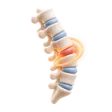 How do you live well with long-term pain?Chronic Pain
- Keep moving daily with gentle, regular exercise (walking, stretching, strengthening) DOI
- Eat a balanced, anti-inflammatory-style diet and work towards a healthy weight DOI
- Prioritise good-quality sleep with consistent routines and sleep hygiene Nature
- Reduce stress and support mood (relaxation, mindfulness, healthy coping) PubMed
- Stop smoking and keep alcohol within recommended limits DOI
- Create comfortable, supportive environments for your body
- Pace activities and build up gradually (balance effort with rest)
- Stay socially connected and maintain enjoyable hobbies SAGE Journals
- Use evidence-based self-management strategies (and follow a personalised plan if you have one)
- Build psychological flexibility around pain (reduce catastrophising + fear-avoidance, grow self-compassion) Nature
 How do you support your recovery from depression?Depression
- Good sleep quality (7–9 hours/night for most adults) Journals of Gerontology
- Regular sleep routine (consistent sleep/wake times) Canadian Science Publishing
- Drinks little or no alcohol Cambridge University Press, 2006
- Strong social support or regular social contact Cambridge University Press, 2006
- Actively engaged in community or group activities Taylor & Francis
- Engages with recommended psychological therapies or support PubMed
- Physically active (≥150 min moderate or ≥75 min vigorous activity/week) Taylor & Francis
- No recreational drug use DOI
- Maintains meaningful hobbies or interests Nature
- Practices specific relaxation or mindfulness techniques MDPI
 How do you get the most from a GLP-1 medicine?GLP-1 Support
- Eating enough protein to protect muscle Oxford Academic
- Training strength to protect muscle and bone JAMA Network
- Staying hydrated and keeping fibre up for comfortable digestion ScienceDirect
- Eating small, slow, lower-fat meals to keep nausea settled ScienceDirect
- Keeping alcohol low while on treatment MDPI
- Choosing nutrient-dense foods on a smaller appetite dom-pubs.pericles-prod.literatumonline.com
- Protecting sleep while the body adjusts World Psychiatry
- Getting enough calcium and vitamin D for bone JAMA Network
- Building a healthy, flexible relationship with food and body image
- Staying engaged with your prescriber, now and for the road ahead
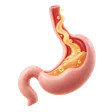 How do you ease acid reflux?GORD
- Healthy body weight (BMI 18.5–24.9 if applicable) BMJ Nutrition
- Limits intake of reflux-triggering foods (e.g. spicy, fatty, tomato-based, citrus, chocolate) PubMed Central
- Avoids heavy evening meals (helps sleep and reflux) PubMed Central
- Avoids eating 2–3 hours before lying down or going to bed DOI
- Physically active (≥150 min moderate or ≥75 min vigorous activity/week) DOI
- Eats meals mindfully (not distracted or rushed) DOI
- Sleeps with head elevated (e.g. wedge pillow or raised bedhead) PubMed Central
- Low intake of ultra-processed foods DOI
- Drinks little or no alcohol DOI
- Smoke-free DOI
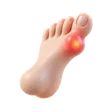 How do you prevent gout attacks?Gout
- Smoke-free World Psychiatry
- Healthy body weight (BMI 18.5–24.9 if applicable) BMJ Nutrition
- Drinks little or no alcohol Springer
- Healthy blood pressure (e.g. less than 140/90 mmHg) NEJM
- Healthy cholesterol profile (e.g. LDL less than 3.0 mmol/L) PubMed
- Avoids a high purine diet PubMed
- Physically active (≥150 min moderate or ≥75 min vigorous activity/week) Wolters Kluwer
- Manages comorbidities well (e.g., kidney disease, diabetes, sleep apnoea) World Psychiatry
- Hydrated throughout the day ACR Abstracts
- Balanced fat intake (low saturated and trans fats) ScienceDirect
 How do you live well with heart failure?Heart Failure
- Weighing daily and tracking the pattern
- Keeping salt low and staying fluid-aware PubMed
- Taking part in cardiac rehab or supervised exercise PubMed
- Taking heart failure medicines exactly as prescribed PubMed Central
- Avoiding or strictly limits alcohol DOI
- Staying smoke-free DOI
- Checking for and treating sleep-disordered breathing DOI
- Keeping up with iron/anaemia checks and vaccinations The Lancet, 2018
- Looking after mood and emotional wellbeing British Journal of Sports Medicine, 2023
- Pacing activity and resting when needed PubMed
 How do you lower your cholesterol?High Cholesterol
- Swapping saturated fat for unsaturated fats ScienceDirect
- Eating soluble fibre and beta-glucan daily ScienceDirect
- Keeping blood sugar and insulin sensitivity healthy PubMed
- Eating nuts and oily fish regularly PubMed, 2013
- Maintaining a healthy weight BMJ Nutrition
- Staying physically active JAMA Network Open in, 2018
- Keeping alcohol low DOI
- Staying smoke-free World Psychiatry
- Taking statin/lipid-lowering medicine exactly as prescribed European Heart Journal
- Understanding your own numbers (LDL, non-HDL, ApoB, Lp(a)) PubMed
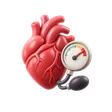 How do you bring your blood pressure down?Hypertension
- Smoke-free World Psychiatry
- Healthy body weight (BMI 18.5–24.9 if applicable) Nature
- Drinks little or no alcohol PubMed
- Manages stress effectively Wiley
- Healthy cholesterol profile (e.g. LDL less than 3.0 mmol/L) European Heart Journal
- Good sleep quality (7–9 hours/night) Nutrients
- Physically active (≥150 min moderate or ≥75 min vigorous activity/week) Wolters Kluwer
- High fruit & vegetable intake (≥5 servings/day) AHA Journals
- Low daily salt intake (ideally less than 6g/day) PubMed
- Balanced fat intake (low saturated & trans fats) PubMed, 2013
 How do you live well with inflammatory bowel disease?IBD
- Taking IBD medicines as prescribed
- Understanding smoking's different effects on Crohn's and colitis Frontiers
- Limiting ultra-processed food and favouring a Mediterranean-style diet PubMed
- Staying active - exercise is safe and helps fatigue and bone health PLOS
- Prioritising good sleep PubMed
- Managing stress - the gut-brain connection Nature
- Looking after bone health, especially if you've needed steroids Oxford Academic
- Attending surveillance and monitoring appointments
- Keeping regular meals and good hydration
- Staying up to date with vaccinations on immunosuppressive treatment The Lancet, 2018
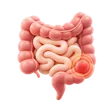 How do you calm irritable bowel syndrome?IBS
- Limits intake of high FODMAP foods (e.g. onion, garlic, beans, apples) Springer
- Avoids artificial sweeteners (e.g. aspartame) Neurology
- Drinks little or no alcohol DOI
- Limits caffeine intake (especially in excess or on an empty stomach) ScienceDirect
- Avoids excessive spicy or fatty foods
- Keeps a symptom and food diary to identify personal IBS triggers
- Physically active (≥150 min moderate or ≥75 min vigorous activity/week) PubMed
- Good sleep quality (7–9 hours/night for most adults) PubMed
- Manages stress effectively PubMed
- Follows a regular meal pattern (avoids skipping meals or long gaps) Springer
 How do you overcome insomnia?Insomnia
- Regular sleep routine (consistent sleep/wake times) Canadian Science Publishing
- Emotionally well (low symptoms of depression/anxiety) World Psychiatry
- Avoids caffeine in the afternoon and evening ScienceDirect
- Limits screen time before bed JAMA Network
- Avoids alcohol close to bedtime PubMed Central
- Keeps the bedroom cool, dark, and quiet ScienceDirect
- Avoids heavy meals within 2–3 hours of bedtime PubMed Central
- Gets morning daylight exposure daily
- Engages in regular physical activity (but not too close to bedtime) Taylor & Francis
- Avoids mental stimulation and uses relaxation techniques before bed (e.g. deep breathing, mindfulness) World Psychiatry
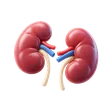 How do you protect your kidneys?Kidney Disease
- Smoke-free DOI
- Healthy body weight (BMI 18.5–24.9 if applicable) BMJ Nutrition
- Drinks little or no alcohol DOI
- Healthy blood pressure (e.g. less than 140/90 mmHg) NEJM
- Healthy cholesterol profile (e.g. LDL less than 3.0 mmol/L) PubMed
- Hydrated throughout the day
- Physically active (≥150 min moderate or ≥75 min vigorous activity/week) Wolters Kluwer
- Low daily salt intake (ideally less than 6g/day) PubMed
- Avoids frequent NSAID usage (e.g. ibuprofen, naproxen)
- Good blood sugar control (HbA1c within target if diabetic) Wolters Kluwer
 How do you reduce fat in the liver?MASLD
- Smoke-free World Psychiatry
- Healthy body weight (BMI 18.5–24.9 if applicable) PubMed Central
- Drinks little or no alcohol DOI
- Healthy blood pressure (e.g. less than 140/90 mmHg) NEJM
- Healthy cholesterol profile (e.g. LDL less than 3.0 mmol/L) PubMed
- Lives in smoke-free environment World Psychiatry
- Physically active (≥150 min moderate or ≥75 min vigorous activity/week) Wolters Kluwer
- High fruit and vegetable intake (≥5 servings/day) PubMed Central
- Low intake of added sugars ScienceDirect
- Balanced fat intake (low saturated and trans fats) ScienceDirect
 How do you support memory and thinking?MCI & Brain Health
- Staying active with a mix of aerobic and strength exercise The Lancet
- Keeping the brain engaged and learning ScienceDirect
- Correcting hearing and vision The Lancet, 2024
- Protecting sleep and screening for sleep apnoea DOI
- Keeping blood pressure, cholesterol and blood sugar in check, and staying smoke-free DOI
- Staying socially connected and emotionally supported British Journal of Sports Medicine, 2023
- Reviewing medications with your GP for brain-affecting side effects ScienceDirect
- Following a brain-healthy, MIND-style diet PubMed Central
- Using routines and memory strategies, and planning ahead for everyday safety PubMed Central
- Carer wellbeing: rest, support and looking after yourself too British Journal of Sports Medicine, 2023
 How do you live well with multiple sclerosis?MS
- Maintains optimal vitamin D levels through safe sun exposure, vitamin D-rich foods, and supplementation as advised by healthcare providers JAMA Network
- Stays completely smoke-free and avoids all tobacco and nicotine exposure to slow disease progression and reduce disability PubMed
- Engages in regular physical activity including aerobic exercise and strength training to improve symptoms, mobility, and brain health DOI
- Follows a healthy diet low in saturated fat and rich in vegetables, fruits, whole grains, omega-3 fatty acids, and plant-based foods ScienceDirect
- Maintains a healthy weight and reduces excess body fat, particularly during adolescence and young adulthood BMJ Nutrition
- Manages stress effectively through relaxation techniques, mindfulness, social support, and professional help when needed PubMed
- Prioritises quality sleep with consistent sleep patterns and addresses sleep disorders that may worsen disease activity PubMed
- Moderates alcohol consumption within low-risk limits while avoiding excessive intake that may affect neurological health DOI
- Adheres to disease-modifying therapies as prescribed and maintains regular follow-up with healthcare providers PubMed
- Manages comorbidities proactively including cardiovascular conditions, depression, and other health issues that can worsen MS outcomes DOI
 How do you stay well through the menopause?Menopause
- Exercise target: ≥150 min/week aerobic + strength training 2×/week Frontiers
- Mediterranean-style eating (plants/whole grains/olive oil + lean protein; limit sugar + processed meat) Oxford Academic
- Bone support: calcium ~1,200 mg/day + vitamin D 800–1,000 IU/day (spread calcium across the day) JAMA Network
- Avoids frequent NSAID use (e.g. ibuprofen, naproxen) unless advised
- Tobacco-free (no smoking/vaping; avoid second-hand smoke) PubMed
- Alcohol-free DOI
- Sleep goal: 7–8 hours/night + consistent routine (reduce caffeine/screens; address insomnia if persistent) ScienceDirect
- Stress & mental wellbeing (regular stress-reduction + support for anxiety/depression) Frontiers
- HRT if appropriate (individualised, safest route/dose, reviewed annually) Wiley
- Cardio-metabolic prevention (annual BP/glucose/lipids; manage risks) PubMed
 How do you have fewer migraines?Migraine
- Keeping a consistent sleep and wake routine Springer
- Eating regularly and staying well hydrated
- Keeping caffeine steady and recording pain-relief days ScienceDirect
- Staying active with regular aerobic exercise Springer
- Managing stress with regular relaxation practice SAGE Journals
- Tracking patterns with a headache diary
- Managing screen time, posture and neck tension JAMA Network
- Keeping alcohol low and avoiding known trigger drinks DOI
- Maintaining a healthy weight range BMJ Nutrition
- Taking preventive migraine treatment as prescribed Springer
 How do you live well with osteoarthritis?Osteoarthritis
- Maintain a healthy weight to reduce joint load BMJ Nutrition
- Do regular low-impact aerobic exercise (e.g., walking, cycling, swimming) most weeks SAGE Journals
- Build joint-supporting strength (e.g., quads/hips for knee OA) at least 2×/week DOI
- Keep daily movement high and break up long periods of sitting DOI
- Prevent joint injuries with warm-ups, good technique, and gradual training progression SAGE Journals
- Avoid repetitive high-load joint strain (heavy lifting, kneeling/squatting, high-impact pounding) where possible PubMed Central
- Use supportive footwear and address biomechanics (e.g., insoles/bracing/physio when indicated) PubMed Central
- Optimise metabolic health (glucose, lipids, blood pressure) with diet, activity, and weight management British Journal of Sports Medicine, 2022
- Use pacing and flare planning to stay active without boom–bust cycles BMC Musculoskeletal Disorders, 2024
- Smoke-free DOI
 How do you live well with peripheral arterial disease?PAD
- Structured walking to build your circulation PubMed
- Smoke-free to protect your circulation PubMed Central
- Daily foot checks and foot care
- Mediterranean-style eating for your arteries JAMA Network, 2018
- Healthy blood pressure NEJM
- Lower cholesterol for cleaner arteries PubMed
- Blood sugar in a healthy range Wiley
- Taking your vascular medication as prescribed PubMed Central
- Healthy weight for less strain on your circulation BMJ Nutrition
- Alcohol within low-risk limits DOI
 How do you manage PCOS?PCOS
- Choosing lower-GI, fibre-rich carbohydrates ScienceDirect
- Combining strength training with regular aerobic activity DOI
- Supporting a sustainable, non-restrictive approach to body weight BMJ Nutrition
- Prioritising restorative sleep and watching for signs of sleep apnoea DOI
- Managing stress, cortisol and body image with self-compassion PubMed
- Staying smoke-free and keeping alcohol within low-risk limits DOI
- Making informed, evidence-aware choices about supplements Oxford Academic
- Tracking cycles and understanding your pattern
- Caring confidently for skin, acne and excess hair growth Nature
- Keeping up with cardiometabolic screening and GP check-ups NEJM
 How do you stop pre-diabetes becoming diabetes?Pre-diabetes
- Smoke-free World Psychiatry
- Physically active (≥150 min moderate or ≥75 min vigorous activity/week) Wolters Kluwer
- Drinks little or no alcohol DOI
- Keeps up with health screening tests (e.g. BP, cholesterol, cancer screening) PubMed
- Healthy blood pressure (e.g. less than 140/90 mmHg) NEJM
- Good blood sugar control (HbA1c within target if known) Diabetes Journals
- Healthy cholesterol profile (e.g. LDL less than 3.0 mmol/L) PubMed
- High dietary fibre intake (25–30g/day) ScienceDirect
- Healthy body weight (BMI 18.5–24.9 if applicable) The BMJ
- Low intake of added sugars ScienceDirect
 How do you look after your prostate and bladder?Prostate & Urinary
- Smart evening fluid timing International Neurourology Journal
- Less caffeine and alcohol International Neurourology Journal
- Bladder training and double voiding Translational Andrology and Urology
- Pelvic floor training for men Translational Andrology and Urology
- Healthy weight and waist BMJ Nutrition
- Regular physical activity Springer, 2026
- Preventing constipation
- Prostate-friendly eating (an honest look) DOI
- Smoke-free DOI
- Reviewing your medicines with your GP or pharmacist
 How do you live well with psoriasis?Psoriasis & PsA
- Working toward a healthy weight Nature
- Smoke-free skin and joints SAGE Journals
- Following a Mediterranean-style, anti-inflammatory diet PubMed
- Keeping alcohol within low-risk limits DOI
- Aware of metabolic and cardiovascular risk Frontiers
- Managing stress and the itch-scratch-stress cycle PubMed
- Keeping up a skin care and emollient routine PubMed
- Prioritising good sleep DOI
- Staying physically active Frontiers
- Looking after mental health and mood British Journal of Sports Medicine, 2023
 How do you live well with rheumatoid arthritis?Rheumatoid Arthritis
- Smoke-free to protect your joints and help your treatment work Springer
- Staying active with safe, regular exercise - including some strength work Springer
- Eating a Mediterranean-style diet and maintaining a healthy weight MDPI
- Looking after gum and oral health
- Prioritising restorative sleep and pacing fatigue Nature
- Managing stress and emotional wellbeing PubMed
- Staying up to date with recommended vaccinations The Lancet, 2018
- Taking RA medicines and attending monitoring bloods
- Protecting joints and pacing activity Springer
- Aware of and managing cardiovascular risk PubMed Central
 How do you ease sleep apnoea?Sleep Apnoea
- Smoke-free Oxford Academic
- Avoids sleeping on back (supine position) ScienceDirect
- Drinks little or no alcohol SAGE Journals
- Keeps up with health screening tests (e.g. BP, cholesterol, cancer screening) PubMed
- Uses CPAP as prescribed (for diagnosed sleep apnoea) PubMed Central
- Avoids unnecessary use of controlled drugs (e.g. opioids and benzodiazepines) DOI
- Physically active (≥150 min moderate or ≥75 min vigorous activity/week) pnas.org
- Uses supportive pillow or positional aids
- Healthy body weight (BMI 18.5–24.9 if applicable) PubMed Central
- Good sleep quality (7–9 hours/night for most adults) SAGE Journals
 How do you lower the risk of another stroke?Stroke & TIA
- Keeping blood pressure at target PubMed
- Keeping cholesterol and lipids well controlled PubMed
- Checking pulse and knowing your heart rhythm status
- Staying smoke-free DOI
- Following a Mediterranean-style diet PubMed, 2013
- Keeping salt intake low PubMed
- Staying physically active Cochrane Library
- Keeping alcohol low or avoiding it DOI
- Taking antiplatelet/anticoagulant medicine exactly as prescribed
- Keeping blood sugar and diabetes well managed PubMed
 How do you live well with type 2 diabetes?Type 2 Diabetes
- Smoke-free World Psychiatry
- Physically active (≥150 min moderate or ≥75 min vigorous activity/week) Wolters Kluwer
- Drinks little or no alcohol DOI
- Keeps up with health screening tests (e.g. BP, cholesterol, cancer screening) PubMed
- Healthy blood pressure (e.g. less than 140/90 mmHg) NEJM
- Good blood sugar control (HbA1c within target if diabetic) The BMJ
- Healthy cholesterol profile (e.g. LDL less than 3.0 mmol/L) PubMed
- High dietary fibre intake (25–30g/day) ScienceDirect
- Healthy body weight (BMI 18.5–24.9 if applicable) The BMJ
- Low intake of added sugars ScienceDirect
Free to start
Ten things you can change, starting today.
Answer a short assessment in My Lifestyle Hub and a plan builds itself around the ten factors, with a daily check-in for each. Clinicians send a plan from the platform in under a minute.
 Looking after your own health?My Lifestyle Hub is for you →