
No extra appointment time
The assessment happens at home. Your part is one screen: their scores, their goals and any flag, with the note for the record ready to paste.
Who are you?
 For individualsPlans, check-ins and a 3D twin of your own
 NHS & primary careGeneral practiceWhole recall lists, with no extra appointment timeChronic disease plans, and the GPCCMP from the same answers
 Private GP clinicsA plan the patient takes home from any consultation
 Occupational healthPrevention and return-to-work plans for a workforce
 Weight managementThe programme that goes out with the prescription
 Dementia preventionTen modifiable risk factors, turned into daily habits
Who it's for · NHS & primary careGeneral practice
The patients who most need a structured plan are the ones the appointment never has room for. GeneralPractice.AI moves the assessment out of the room: invite one patient or a whole recall list, the answers come back as a personalised, evidence-based plan, and your part is the clinical judgement — read it, and approve a condition plan in under a minute, with the note for the record ready to paste.
It fits the work you already do. The library covers the conditions your recalls already target — hypertension, diabetes, COPD, asthma, heart failure — and every plan records the factors assessed and the scores the patient gave, so there is something to show for the work.
It fits the work you already do — and in Australia the same answers prepare a GP Chronic Condition Management Plan, with item numbers, fees and intervals checked against the current MBS ruleset. See how the GPCCMP works →

Why practices choose it
The assessment happens at home. Your part is one screen: their scores, their goals and any flag, with the note for the record ready to paste.
Invite a whole list at once, or start with one patient in the room. Clinical Unlimited has no monthly limit on plans, so capacity stops deciding who gets one.
38 plans for long-term conditions, from hypertension and type 2 diabetes to COPD, asthma and heart failure, beside the prevention and lifestyle plans.
Bring up to four conditions together into one plan of ten factors, with the factors they share asked once, and keep it as a template for the practice.
One click sends the review questionnaire. The answers come back beside the originals, with the movement in every factor worked out.
Every plan records the factors assessed, the scores the patient gave and the goals they set, per patient and across the list.
Prepared from the assessment, with item numbers, fees and intervals checked against the current MBS ruleset and kept as a versioned record. On Solo and Clinical Unlimited.
How it runs
From the library
The long-term-condition plans map onto the lists a practice already runs. Every one assesses ten modifiable factors the patient scores themselves, and every one opens on the library page with the reasons each factor earns its place.
All 57 are on the plan library, laid out on the body they help.
Custom plans
Choose up to four conditions, or single factors from anywhere in the library, and the platform builds one plan of exactly ten factors, asking the ones they share once. Give it a name: that is the name the patient sees in My Lifestyle Hub. Keep it as a template for the whole practice. On every paid tier.
For example
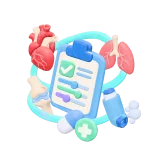 Heart, lungs & weightOne plan · ten factors · shared factors asked onceA practice template, ready to send again
If any of it comes from a plan for a long-term condition, a custom plan waits for a clinician’s approval, like any condition plan.
NewDrafted with AI
Describe a patient by talking or typing, and an AI drafts their custom plan for you to check: a name and goals, the ten factors with the scores it can estimate, and check-ins and resources from your library. Names, dates, numbers, addresses and places are taken out before anything is sent. On every paid tier. How it works
Asked before choosing
Start here
Sign in with your own email, pick the list you know best, and see what comes back. The free tier needs no card and the trial covers everything else.